- Anand Karaj
- Sikh wedding ceremony centred on the four Laavan hymns in the gurdwara.
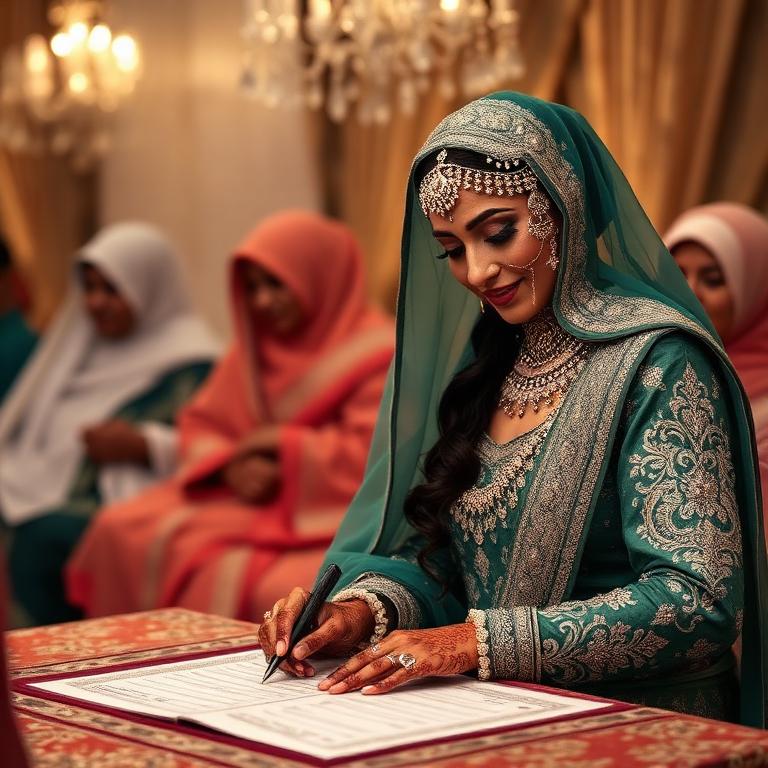
- Nikah
- Islamic marriage contract signed by bride, groom and two witnesses with mahr agreed.
- Mahr
- Obligatory gift from groom to bride, agreed at Nikah — cash, gold or property.
- Walima
- Reception hosted by the groom's family after the Nikah.
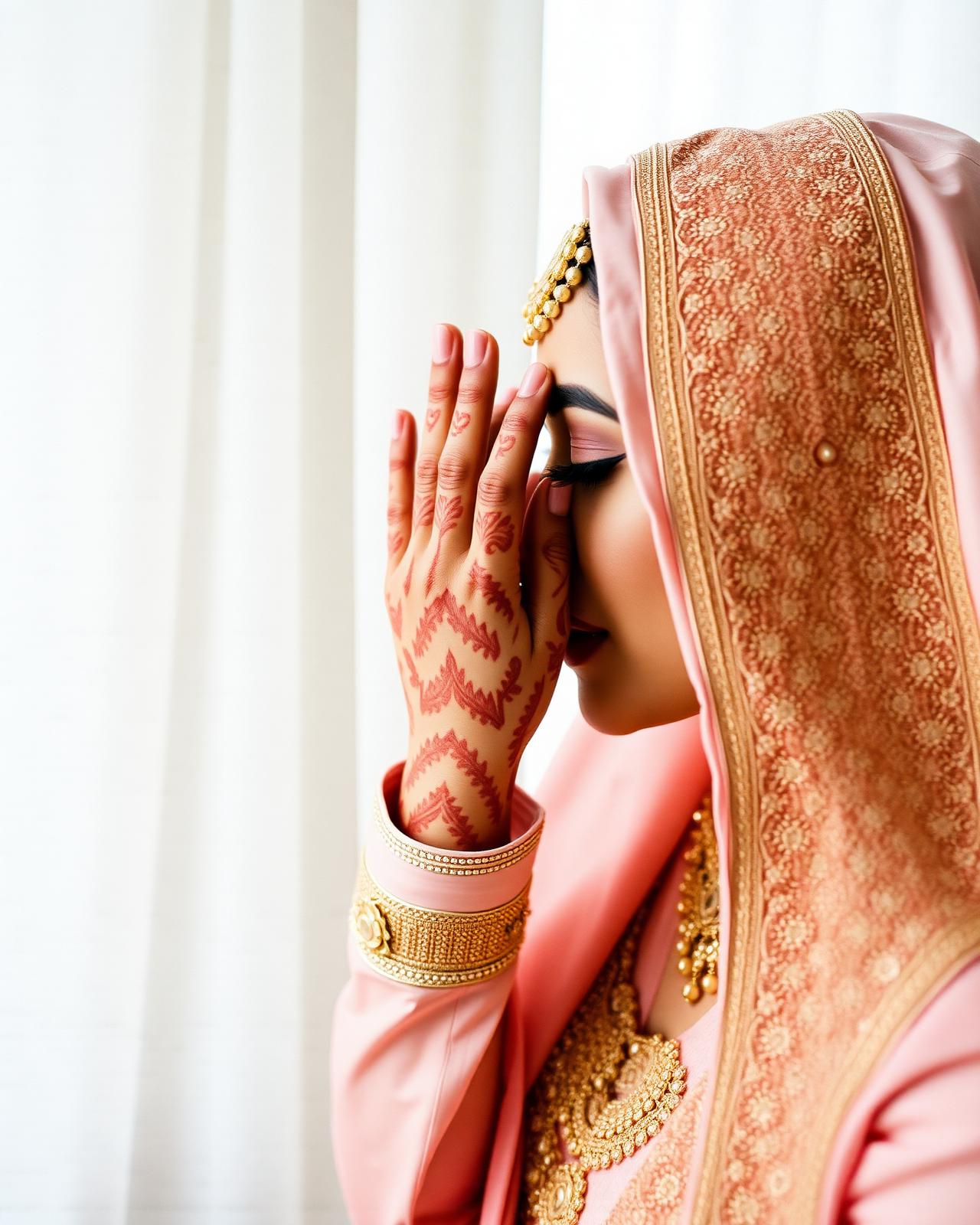
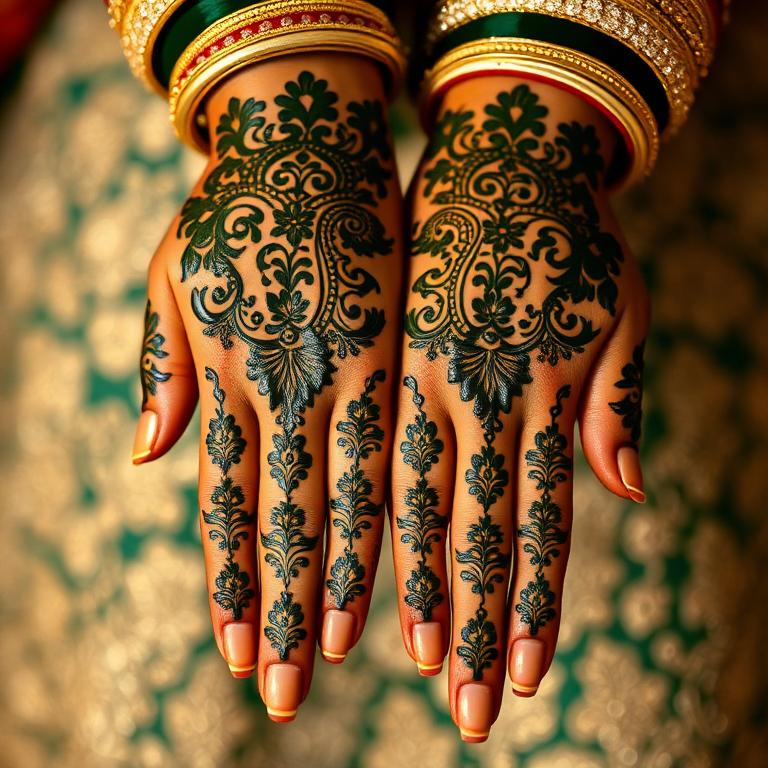
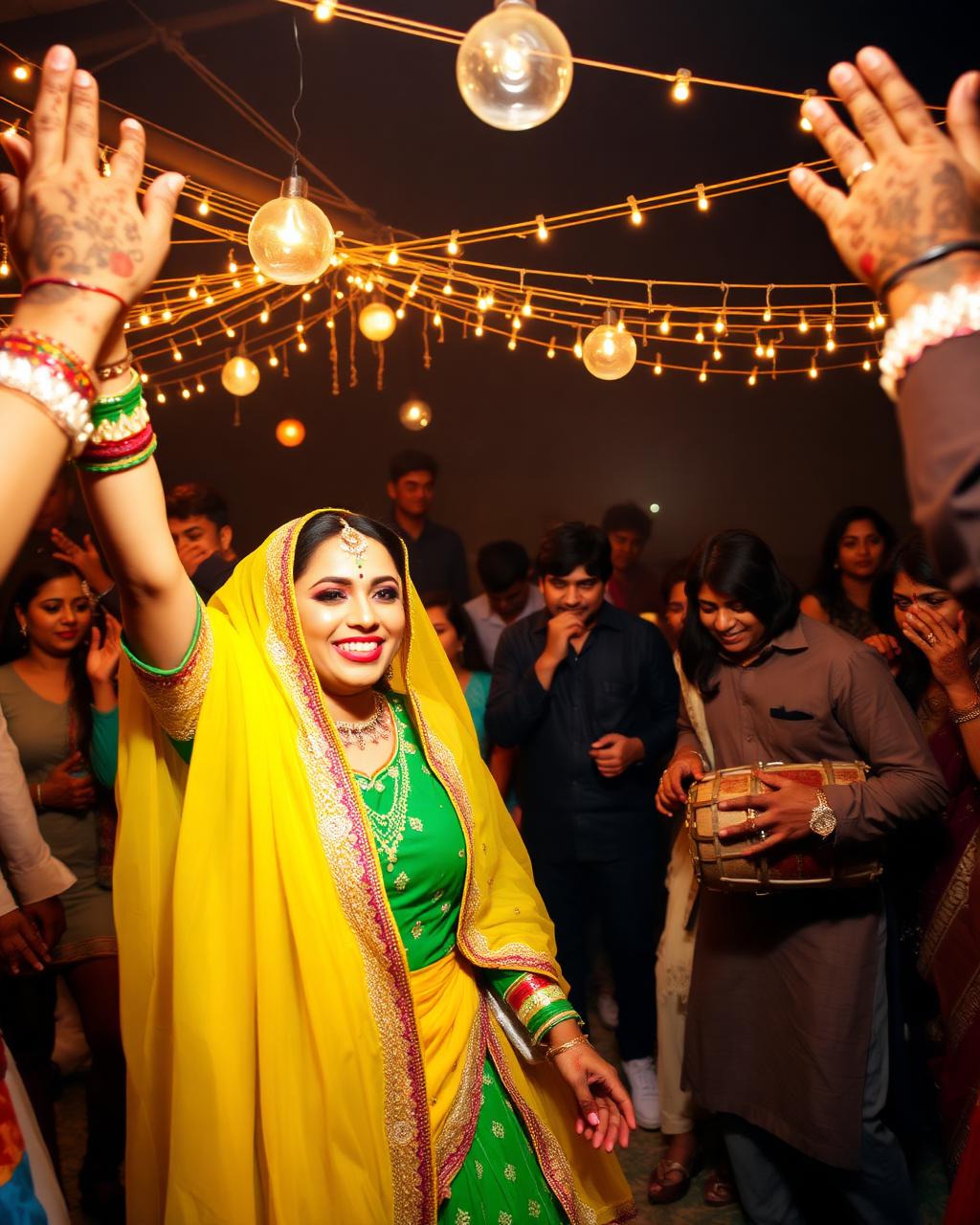
- Mehndi
- Henna ceremony held one to three days before the wedding, usually women-led.
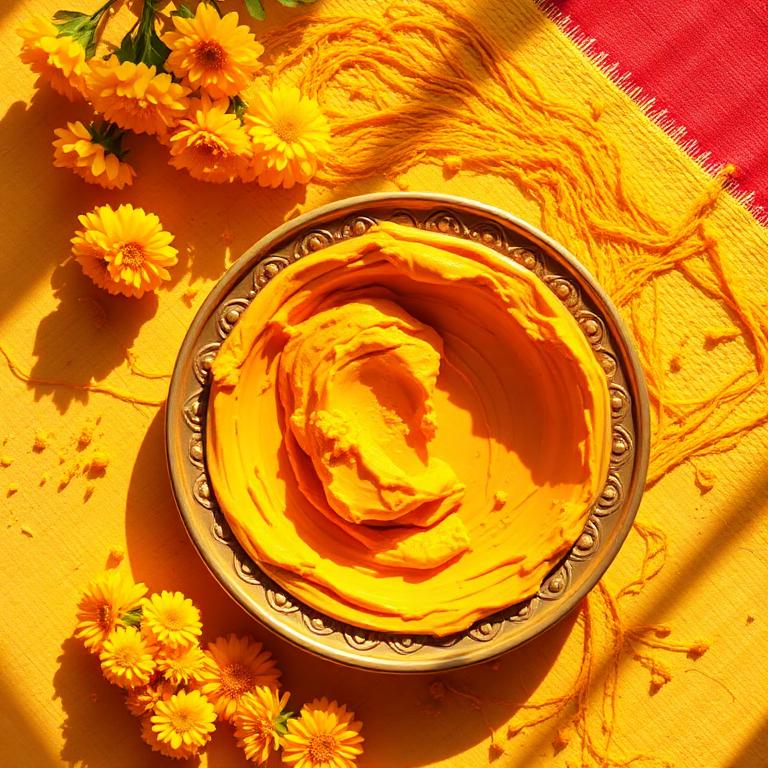
- Haldi / Pithi
- Turmeric paste applied to bride and groom for glow and blessing.
- Sangeet
- Music and dance night, typically two nights before the main day.
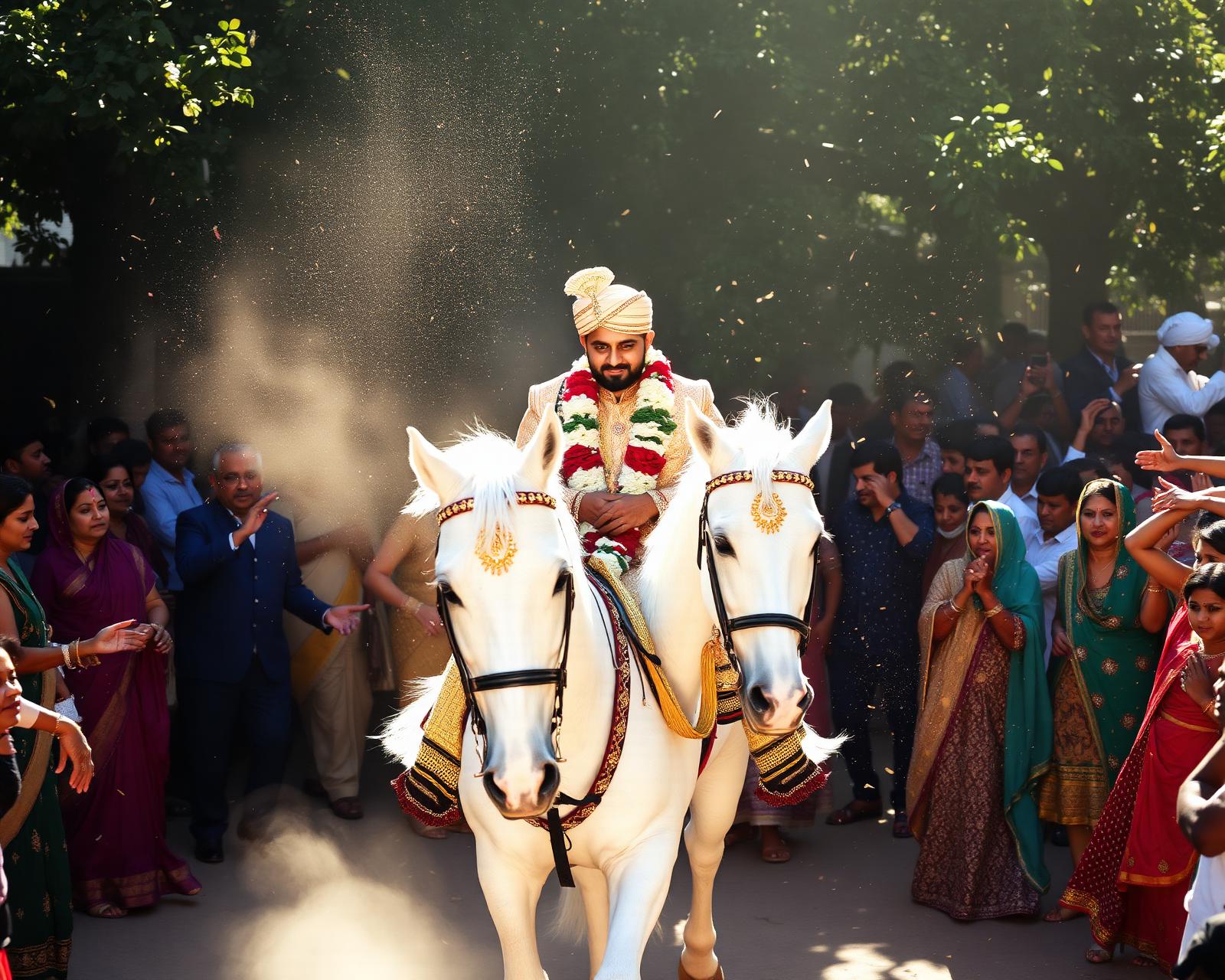
- Baraat
- Groom's procession — traditionally on horseback with dhol and family dancing.
- Milni
- Formal introduction between the two families' male relatives before Sikh weddings.
- Doli / Vidaai
- Emotional farewell where the bride leaves her parents' home.
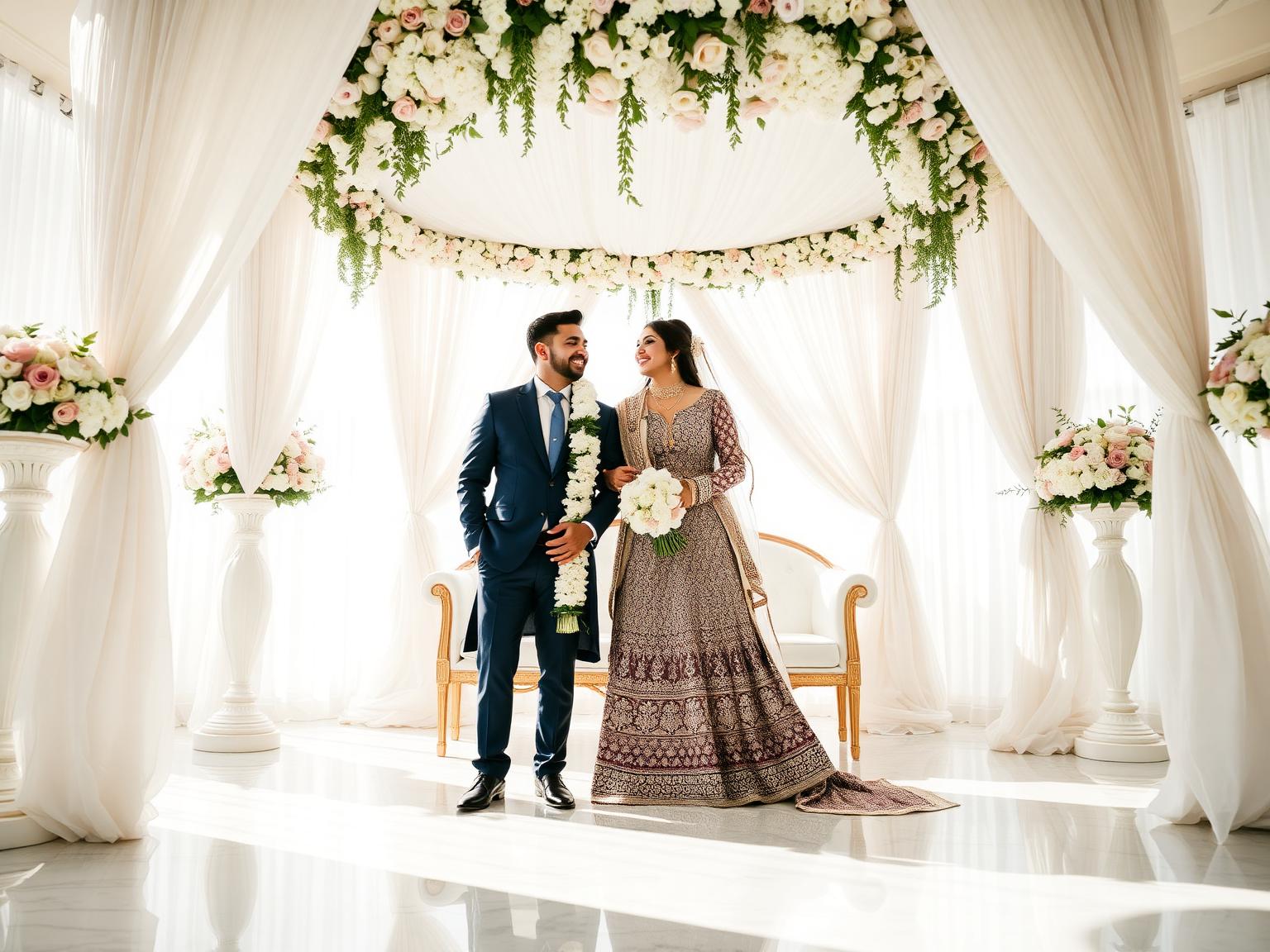
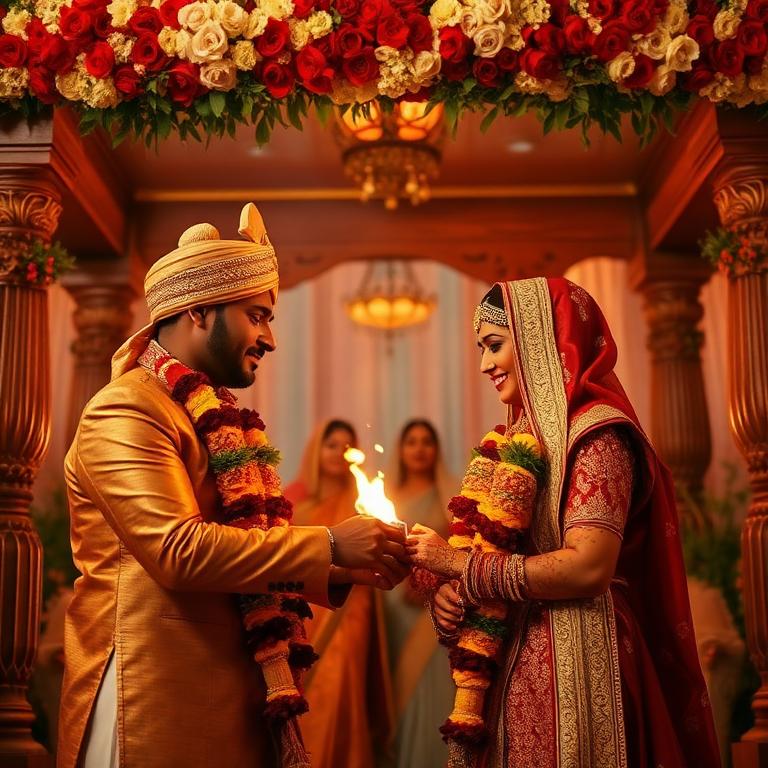
- Mandap
- Four-pillared canopy under which Hindu ceremonies are performed.
- Saat Pheras
- Seven circles around the sacred fire in Hindu ceremonies, each a vow.
- Saptapadi
- Seven steps north taken by the couple, sealing the Hindu marriage.
- Kanyadaan
- Ritual giving-away of the bride by her father in Hindu ceremonies.
- Jaimala / Varmala
- Exchange of flower garlands between bride and groom.
- Shagun / Nazrana
- Cash gift given in odd numbers (e.g. £51, £101) for good luck.
- Roka / Chunni Chadai
- Formal engagement ceremony where families commit.
- Tilak
- Groom is blessed by bride's family with a red or saffron forehead mark.
- Chooda
- Red and cream bangles worn by North Indian brides for 40 days post-wedding.
- Kaleere
- Golden umbrella-shaped ornaments tied to the chooda by sisters.
- Sehra
- Floral or beaded veil covering the groom's face during baraat.
- Kalash
- Sacred water pot used in Hindu rituals, topped with coconut and mango leaves.
- Havan / Homam
- Sacred fire around which Hindu vows are exchanged.
- Granthi
- Sikh officiant who conducts Anand Karaj and reads from Guru Granth Sahib.
- Palki
- Palanquin carrying Guru Granth Sahib into the gurdwara.
- Langar
- Free community meal served in gurdwaras — always vegetarian.
- Poruwa
- Decorated Sri Lankan platform on which the couple stands during the ceremony.
- Topor & Mukut
- Bengali groom's conical white hat and bride's headpiece.
- Gaye Holud
- Bengali turmeric ceremony equivalent to haldi.
- Achu Michu
- Parsi welcome ritual with rice, betel nut, coconut and a raw egg.
- Sudreh-Kusti
- Sacred Zoroastrian undershirt and cord worn during the ceremony.
- Sadya
- Vegetarian Kerala feast served on a banana leaf at Malayali weddings.
- Kalyanam
- Tamil Hindu wedding ceremony.
- Nalangu
- Post-wedding Tamil playful ritual between the couple and families.
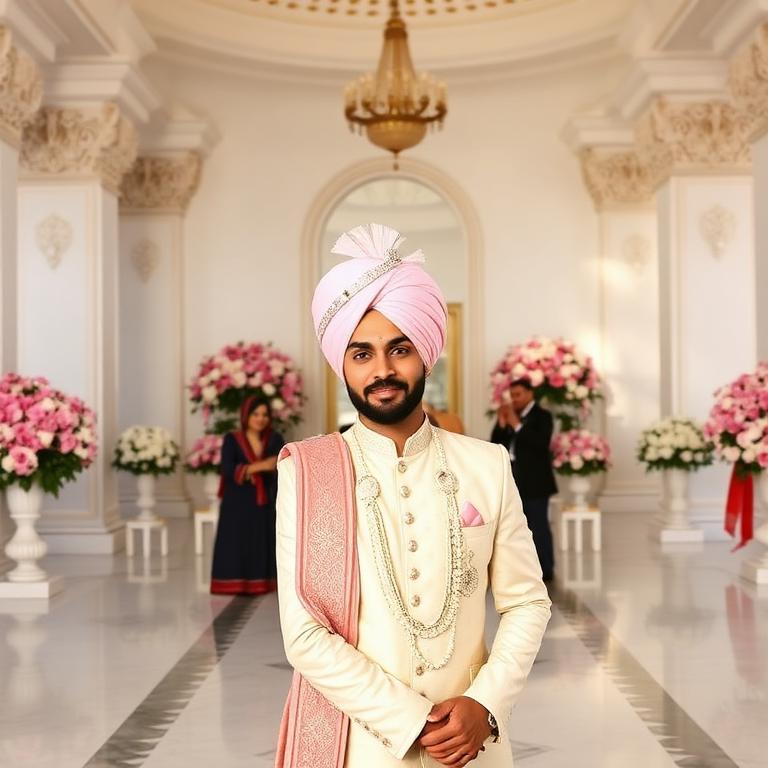
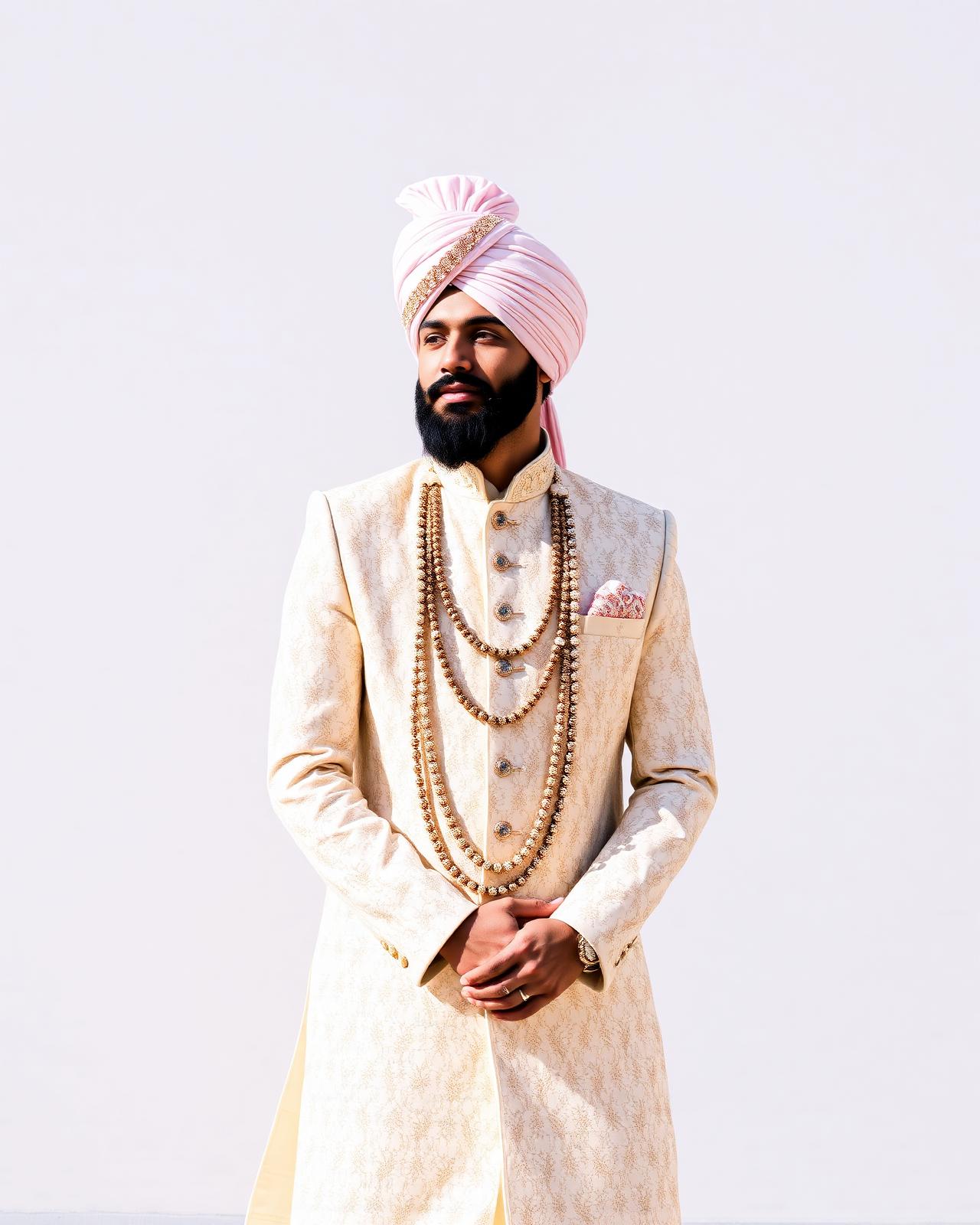
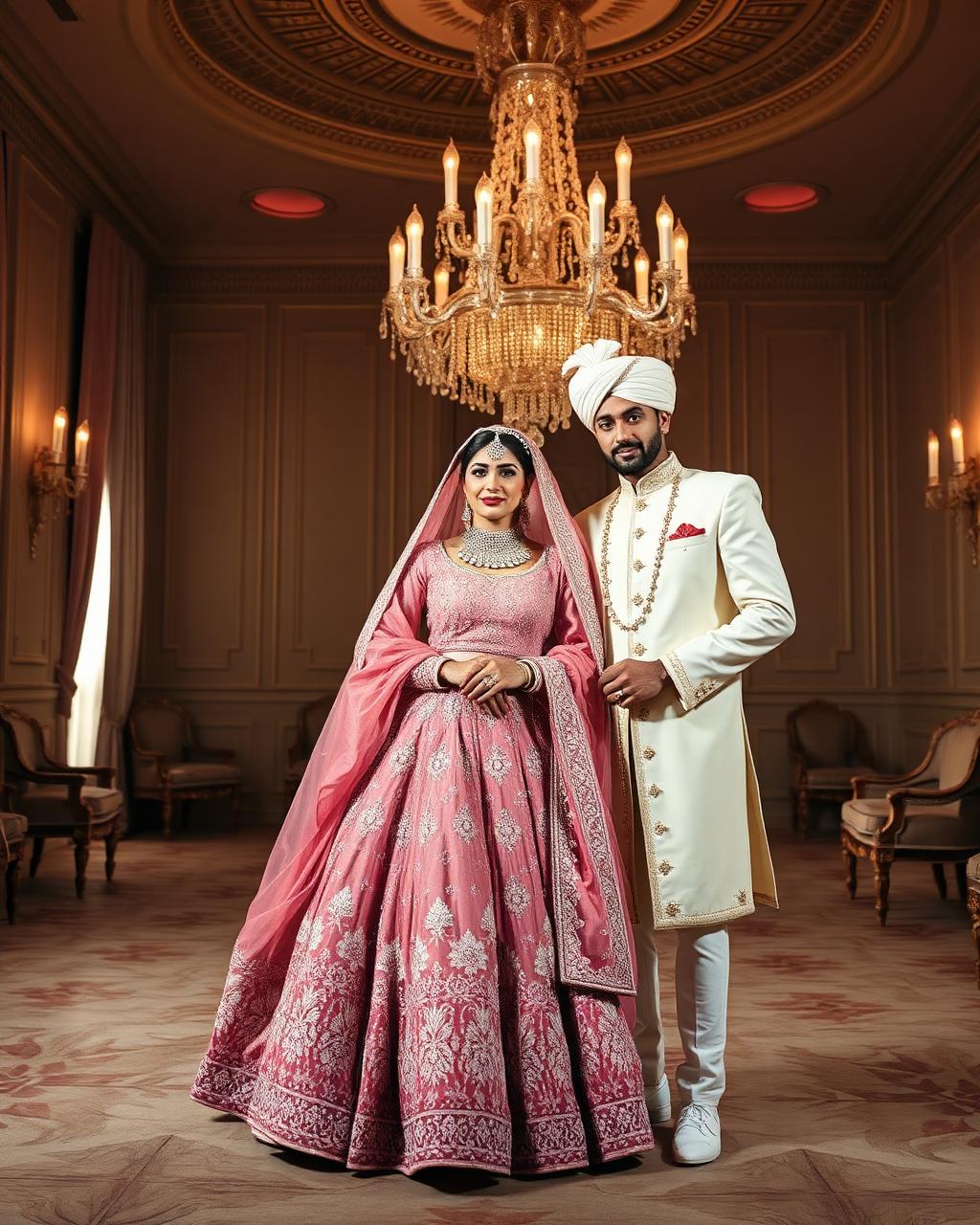
- Sherwani
- Long, structured coat worn by grooms; often paired with churidar or dhoti.
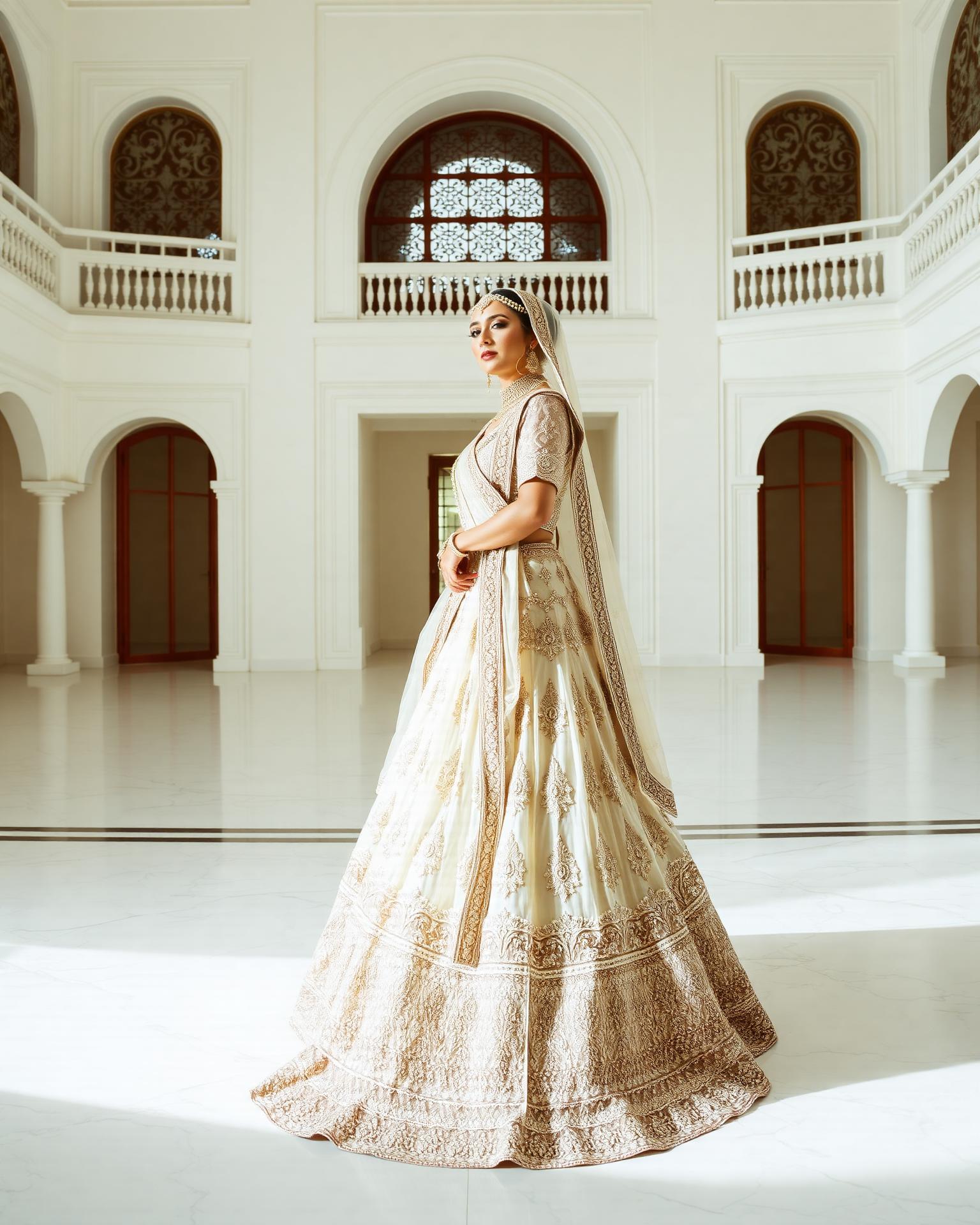
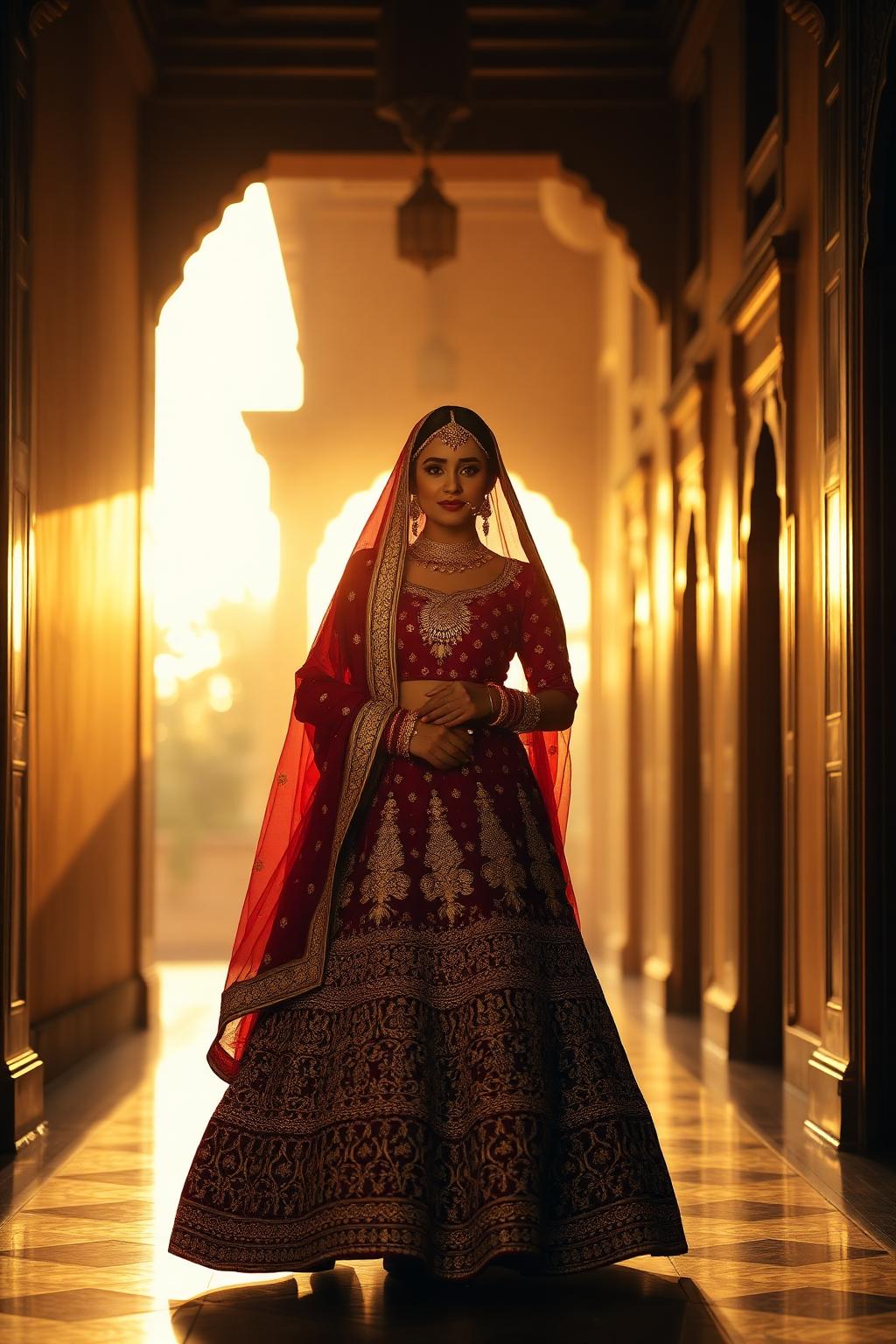
- Lehenga
- Bridal skirt-and-blouse with dupatta — Punjabi and North Indian favourite.
- Saree
- Six-to-nine-yard drape worn by South Indian, Bengali and many bridal parties.
- Anarkali
- Long floor-length frock-style outfit — mehndi and sangeet-appropriate.
- Dupatta / Chunni
- Long scarf worn over the head or across the chest.
- Mangalsutra
- Black-and-gold necklace tied by Hindu grooms to signify marriage.
- Sindoor
- Red vermillion powder applied by the groom to the bride's hair parting.
- Mehndi thaal
- Decorated tray of henna, sweets and coins used in the mehndi ritual.
- Ghara Ghardoli
- Punjabi ritual water-carrying by sisters-in-law before the wedding.
- Chuni Chadai
- Punjabi engagement where the groom's family drapes a chuni on the bride.
- Anand Sahib
- Sikh prayer of bliss recited during Anand Karaj.
- Ardas
- Sikh formal prayer, standing, at the close of the ceremony.
- Iftar
- Sunset meal breaking the Ramadan fast — some couples build weddings around it.
- Qazi / Imam
- Muslim officiant who solemnises the Nikah.
- Katb al-Kitab
- Signing of the marriage contract — the Nikah itself.
- Chaturmas
- Four-month Hindu inauspicious window when weddings are traditionally avoided.
- Muhurat
- Astrologically auspicious time set by the priest for the ceremony.